In today’s competitive market, packaging is no longer just about protecting a product—it plays a crucial role in branding, customer experience, and overall business success. Flexible packaging has emerged as one of the most efficient, cost-effective, and innovative solutions across industries such as food, FMCG, pharmaceuticals, and more.
With advancements in technology and increasing demand for sustainable solutions, flexible packaging is transforming how businesses present and deliver their products. In this blog, we’ll explore what flexible packaging is, its benefits, types, and why it is becoming the preferred choice for modern businesses.
What is Flexible Packaging?
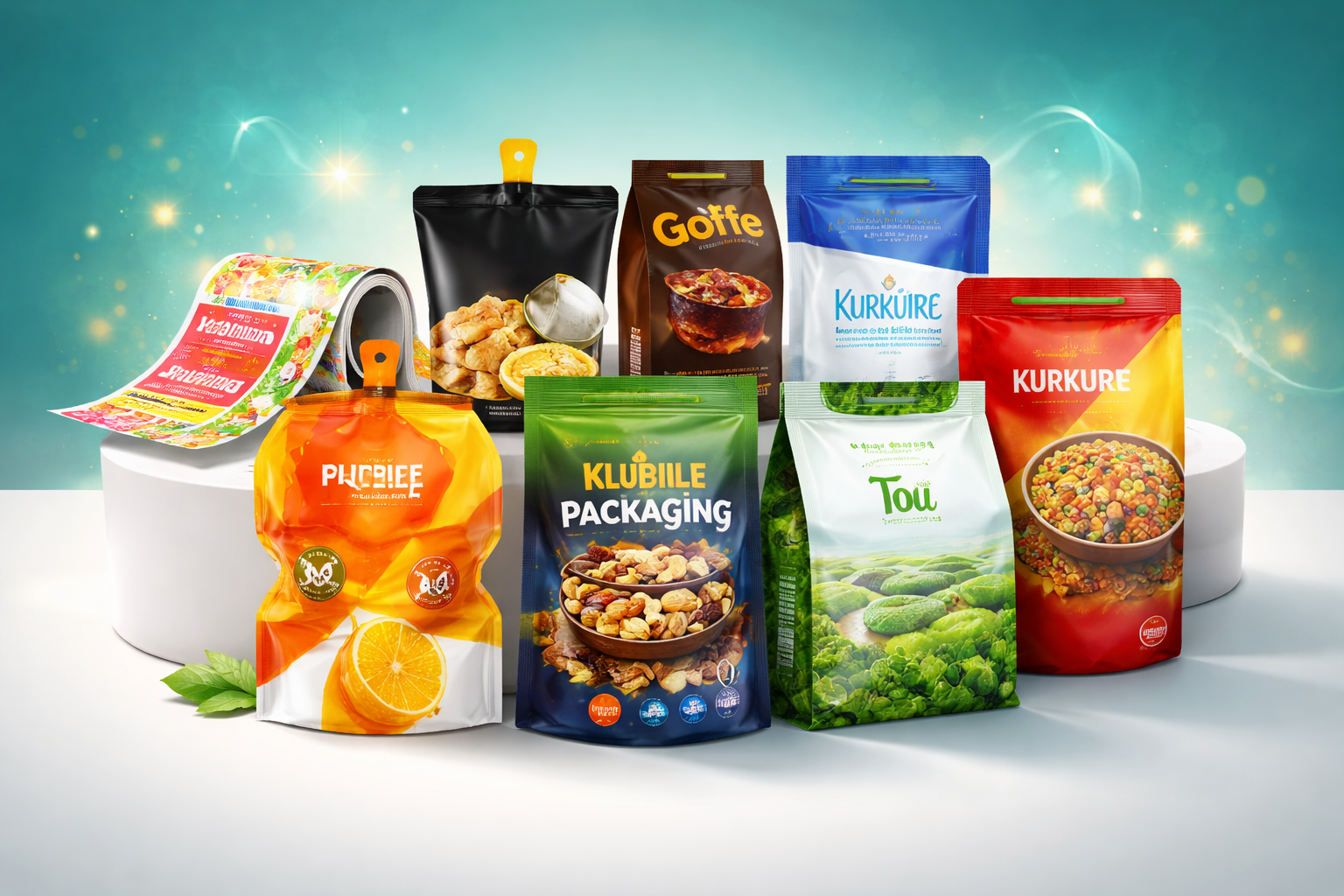
Flexible packaging refers to packaging made from flexible materials such as plastic films, foil, paper, or a combination of these materials. Unlike rigid packaging, flexible packaging can easily change shape, making it lightweight, space-saving, and highly versatile.
Common examples include:
- Stand-up pouches
- Spout pouches
- Laminated rolls
- Side gusset bags
- Retort pouches
These packaging solutions are widely used because they are durable, customizable, and visually appealing.
Why Flexible Packaging is Gaining Popularity
The growing popularity of flexible packaging is driven by several key factors. Businesses are constantly looking for packaging solutions that not only protect products but also enhance brand value and reduce costs.
1. Cost-Effective Solution
Flexible packaging requires less material compared to rigid packaging, making it more affordable for businesses. It also reduces transportation costs due to its lightweight nature.
2. Better Shelf Appeal
Modern consumers are attracted to visually appealing products. Flexible packaging allows high-quality printing, vibrant colors, and creative designs that help brands stand out on store shelves.
3. Extended Shelf Life
Advanced barrier technologies protect products from moisture, oxygen, and contaminants, ensuring longer shelf life—especially important for food products.
4. Convenience for Consumers
Features like resealable zippers, spouts, and easy-tear options make flexible packaging user-friendly and convenient for everyday use.
5. Eco-Friendly Options
With increasing environmental concerns, many companies are adopting recyclable and sustainable packaging materials, making flexible packaging a greener choice.
Types of Flexible Packaging Solutions
Flexible packaging comes in various forms, each designed to meet specific product requirements. Let’s explore some of the most commonly used types:
1. Stand-Up Pouches
These pouches are widely used in the food and retail industry. They stand upright on shelves, offering excellent visibility and convenience. They often come with zipper closures for easy reuse.
2. Spout Pouches
Ideal for liquids and semi-liquids such as juices, sauces, and pastes. Spout pouches are easy to use, leak-proof, and highly convenient for consumers.
3. Laminated Rolls
Used for high-speed packaging machines, laminated rolls are perfect for mass production. They offer strong barrier protection and excellent print quality.
4. Side Gusset Pouches
Commonly used for products like coffee, tea, and dry foods. These pouches expand on the sides, allowing more storage capacity.
5. Retort Pouches
Designed for ready-to-eat meals, retort pouches can withstand high temperatures and are ideal for preserving food for long periods.
6. Flat Bottom & 3D Box Pouches
These premium pouches provide better stability and a high-end look, making them perfect for luxury or high-value products.
Benefits of Flexible Packaging for Businesses
Flexible packaging offers numerous advantages that directly impact business growth and customer satisfaction.
Improved Brand Visibility
Custom printing allows businesses to showcase their brand identity through unique designs, colors, and logos. Eye-catching packaging can significantly influence buying decisions.
Reduced Storage Space
Flexible packaging takes up less space compared to rigid containers, making storage and logistics more efficient.
Enhanced Product Protection
Multi-layer films provide excellent protection against environmental factors, ensuring product safety and quality.
Faster Production & Delivery
Flexible packaging solutions can be produced quickly, helping businesses meet market demand without delays.
Flexible Packaging in Different Industries
Flexible packaging is widely used across multiple industries due to its adaptability and efficiency.
Food Industry
From snacks and spices to ready-to-eat meals, flexible packaging ensures freshness, safety, and convenience.
FMCG Sector
Products like detergents, personal care items, and household goods benefit from durable and attractive packaging.
Pharmaceutical Industry
Flexible packaging provides secure and hygienic solutions for medicines and healthcare products.
Industrial Applications
Used for packaging chemicals, powders, and other industrial materials with strong barrier protection.
The Role of Design in Packaging
Packaging design is a critical factor in influencing consumer behavior. A well-designed package not only protects the product but also communicates the brand’s message.
Key elements of effective packaging design:
- Clean and modern layout
- Attractive color combinations
- Clear product information
- High-quality printing
A strong design creates a lasting impression and builds trust with customers.
Sustainability in Flexible Packaging
As environmental awareness grows, businesses are shifting towards sustainable packaging solutions. Flexible packaging is evolving with innovations such as:
- Recyclable materials
- Biodegradable films
- Reduced plastic usage
- Energy-efficient production
Sustainable packaging not only benefits the environment but also enhances brand reputation and customer loyalty.
Choosing the Right Packaging Partner
Selecting the right packaging manufacturer is essential for achieving the best results. A reliable partner ensures:
- High-quality materials
- Advanced printing technology
- Timely delivery
- Customization options
- Strong customer support
Working with an experienced packaging company helps businesses maintain consistency and quality across all products.
Future of Flexible Packaging
The future of flexible packaging looks promising with continuous innovations and technological advancements. Trends shaping the industry include:
- Smart packaging with QR codes
- Digital printing for customization
- Eco-friendly materials
- Lightweight and durable designs
As consumer expectations evolve, flexible packaging will continue to adapt and provide smarter, more efficient solutions.
Conclusion
Flexible packaging is revolutionizing the way products are packaged, stored, and presented. Its cost-effectiveness, versatility, and visual appeal make it an ideal choice for businesses across industries.
By investing in high-quality flexible packaging, companies can enhance product safety, improve brand visibility, and deliver a better customer experience. As the demand for sustainable and innovative packaging grows, flexible packaging will remain at the forefront of the industry.